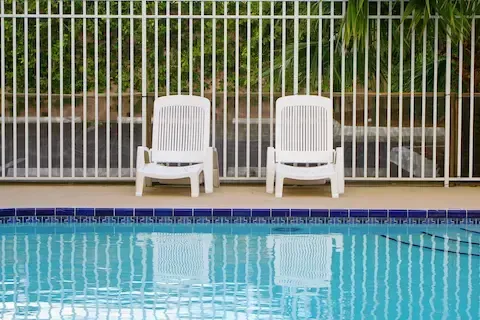
Pool Fence Installation in Abilene Texas Backyards
Pool fence installation in your Abilene backyard requires careful attention to Texas state safety codes, local Taylor County regulations, and the unique climate conditions of West Texas. Your pool enclosure must meet specific height requirements, gate mechanisms, and structural standards to protect children and comply with homeowner insurance policies. Professional installation ensures your fence meets all legal requirements while providing the security your family needs around your swimming pool.
Texas Pool Fence Code Requirements
Texas state law mandates that residential swimming pools must be enclosed by a barrier at least 48 inches in height, measured from the ground surface. Your pool fence in Abilene must completely surround the pool area with no gaps larger than four inches at any point. The fence structure cannot have horizontal rails or decorative elements that create a ladder effect on the pool side of the barrier.
Gate requirements are particularly strict under Texas pool safety codes. Your pool gate must be self-closing and self-latching, with the latch mechanism positioned at least 54 inches above ground level. If the latch is less than 54 inches high, it must be located on the pool side of the gate and be at least three inches below the top of the gate. Pool Fence Installation professionals in Abilene ensure these specifications are met during every installation.
The fence must not have any openings that allow passage of a four-inch diameter sphere, except for the clearance beneath the gate, which cannot exceed two inches. Your Abilene pool fence installation must also account for any structures like decks, patios, or permanent furniture that could provide climbing access over the barrier.
Material Options for Abilene Climate Conditions
West Texas weather presents unique challenges for pool fencing materials, with intense summer heat, occasional hail storms, and strong winds throughout the year. Aluminum fencing performs exceptionally well in Taylor County conditions, resisting rust and requiring minimal maintenance despite temperature fluctuations that can range from below freezing in winter to over 100 degrees in summer.
Vinyl pool fencing offers excellent durability in Abilene's climate, with UV-resistant formulations that prevent cracking and fading under intense Texas sun. The material expands and contracts with temperature changes without compromising structural integrity, making it ideal for the significant seasonal temperature variations common in this region.
Steel fencing with powder coating provides maximum security and longevity, though it requires proper preparation for the alkaline soil conditions common in many Abilene neighborhoods. Glass panel systems offer unobstructed pool views while meeting safety requirements, but require consideration of wind loads during the frequent weather fronts that move through Taylor County.
Chain link fencing, while meeting basic code requirements, may not provide the aesthetic appeal most Abilene homeowners desire. However, it remains a cost-effective option that performs well in local weather conditions when properly galvanized and installed with appropriate tension.
Installation Considerations for Taylor County Properties
Soil conditions in Taylor County require specific foundation preparation for pool fence posts. The expansive clay soil common throughout Abilene can shift significantly with moisture changes, necessitating deeper post holes and proper concrete footings to prevent fence movement or tilting over time.
Utility location becomes critical during pool fence installation, as many Abilene properties have underground gas lines, electrical conduits, or irrigation systems that must be identified before excavation. Texas 811 marking services are mandatory before any digging, and professional installers coordinate these requirements as part of the project timeline.
Property line verification ensures your pool fence installation stays within your boundaries and complies with any homeowner association guidelines specific to your Abilene neighborhood. Many subdivisions in Taylor County have additional aesthetic requirements beyond basic safety codes that must be incorporated into the fence design and material selection.
Drainage patterns around your pool area affect fence post placement and long-term stability. Professional installers assess how water flows across your property during Abilene's occasional heavy rainfall events, positioning posts and gates to avoid water accumulation that could compromise the foundation or create safety hazards.
Gate Configuration and Safety Features
Self-closing gate mechanisms must function reliably in Abilene's dust and wind conditions. Spring-loaded hinges require periodic adjustment as settling occurs, while magnetic latch systems may perform better in dusty environments common during West Texas wind storms. Your gate configuration should account for primary access points while maintaining security around the entire pool perimeter.
Latch height requirements prevent small children from easily opening pool gates, but must remain accessible for adult users and emergency personnel. Installation teams position latches to meet code while considering the average height of household members and frequent pool users.
Double gate configurations work well for larger pool areas or when equipment access is needed, but both gates must meet the same self-closing and latching requirements. The overlapping gate edges must seal properly to prevent gaps that could compromise the barrier effectiveness.
Pool fence gates in Abilene should open outward from the pool area to facilitate emergency exit and prevent accidental pool access. The gate swing path must clear any obstacles while maintaining smooth operation despite seasonal ground movement common in Taylor County clay soils.
Common Installation Mistakes to Avoid
Inadequate post depth represents the most frequent error in pool fence installation, particularly given Abilene's expansive soil conditions. Posts must extend below the frost line and account for soil movement, requiring deeper footings than standard fencing applications to maintain structural integrity over time.
Improper gate adjustment leads to compliance failures when self-closing mechanisms don't function correctly. Gates must close completely from any open position and latch securely without requiring manual assistance, regardless of wind conditions or seasonal settling.
Spacing errors create gaps that violate safety codes, whether between fence sections, around posts, or at ground level. The four-inch rule applies to all openings in the barrier system, and professional installation includes detailed measurement verification throughout the entire perimeter.
Material selection mistakes occur when homeowners choose fencing that looks appropriate but fails to meet structural requirements for pool barriers. Not all residential fencing qualifies as pool fencing under Texas safety codes, and aesthetic preferences must align with legal requirements for proper protection.
Abilene Permit and Inspection Process
Taylor County building permits are typically required for pool fence installation, with specific documentation needed to demonstrate code compliance. The permit application process includes fence height specifications, gate mechanisms, material certifications, and installation timeline information that must be submitted before work begins.
Inspection scheduling coordinates with your installation timeline, as fence work cannot proceed beyond certain stages without interim approvals. Abilene building inspectors verify post placement, gate operation, height measurements, and overall barrier integrity during the final inspection process.
Documentation requirements include manufacturer specifications for all materials, gate hardware certifications, and installation photographs that demonstrate compliance with Texas pool safety codes. Professional installers maintain these records as part of the project deliverables and warranty documentation.
Final approval enables pool use and satisfies homeowner insurance requirements for properties with swimming pools. Many insurance policies in Taylor County require proof of compliant pool fencing to maintain coverage, making proper installation documentation essential for ongoing protection.
Maintenance Requirements for Longevity
Regular gate mechanism inspection ensures continued compliance with self-closing and latching requirements throughout the fence's service life. Abilene's dust and wind conditions can affect moving parts, requiring periodic cleaning and adjustment to maintain proper operation during all seasons.
Post stability monitoring becomes particularly important in Taylor County's shifting soil conditions, where seasonal moisture changes can affect fence alignment over time. Annual inspection of post plumbness and fence height helps identify issues before they compromise safety or code compliance.
Material-specific maintenance varies by fence type but generally includes cleaning, hardware inspection, and protective coating renewal as needed for local climate conditions. Aluminum fencing requires minimal care, while steel components may need periodic touch-up painting in high-wear areas.
Gate hardware replacement should occur before components fail, as broken latches or hinges immediately create code violations and safety hazards. Professional maintenance services can schedule regular inspections and replace wearing parts before they affect gate operation or barrier integrity.
Before each swim season, run through our pre-summer pool fence check to confirm latch tension and gate self-closure still meet code.
Professional Installation Benefits
Experienced pool fence installers understand Taylor County soil conditions, local permit requirements, and the specific challenges of working in Abilene's climate. Professional installation ensures code compliance, proper material selection, and long-term performance that protects your family while maintaining your property value.
Warranty coverage through professional installation provides protection against material defects, installation errors, and premature component failure. Many manufacturers require professional installation to validate warranty terms, making DIY installation a potential liability for expensive repairs or replacements.
Code expertise ensures your pool fence meets current Texas requirements and anticipates potential regulation changes that could affect compliance over time. Professional installers stay current with evolving safety standards and can advise on future-proofing your investment.
Project timeline management coordinates permit applications, utility location, material delivery, and inspection scheduling to complete your pool fence installation efficiently. Professional teams handle all coordination requirements, allowing you to focus on enjoying your pool safely once the project is complete.
