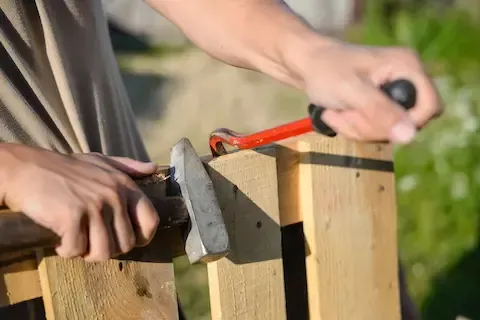
Storm-Damaged Fence Repair in Abilene Taylor County
When severe weather strikes Abilene and Taylor County, your fence often bears the brunt of nature's fury. West Texas storms bring unique challenges that can devastate fencing systems in ways that property owners rarely anticipate. From the powerful straight-line winds that barrel across the plains to the golf ball-sized hail that pounds down during spring supercells, storm damage to fencing requires immediate attention and specialized repair techniques tailored to our regional climate patterns.
Understanding the specific types of storm damage that affect fences in our area is crucial for both immediate response and long-term protection. The combination of extreme temperature fluctuations, intense wind events, and occasional ice storms creates a perfect storm of conditions that can compromise even the most well-built fencing systems. Professional assessment and repair become essential not just for aesthetics, but for maintaining property security and boundary integrity.
Common Storm Damage Patterns in Abilene Fencing
Wind damage represents the most frequent type of storm-related fence destruction across Taylor County. Straight-line winds exceeding 60 mph can snap fence posts at ground level, particularly when soil conditions are saturated from heavy rainfall. Chain-link fences suffer fabric separation and stretching, while wood fencing experiences board blow-out and complete panel failure.
Hail damage creates a different set of challenges entirely. Large hailstones can splinter wood surfaces, dent metal components, and create impact fractures that weaken structural integrity over time. Vinyl fencing, while generally durable, can crack or shatter under severe hail impact, especially during temperature extremes when the material becomes more brittle.
Lightning strikes, though less common, can cause catastrophic damage to metal fencing systems. The electrical surge can weld gate hardware, melt chain-link fabric, and create dangerous sharp edges that require immediate professional attention. Ground surge from nearby lightning strikes can also damage buried fence anchoring systems.
Tornado damage in Taylor County, while infrequent, can completely destroy entire fence sections. The rotational winds create suction effects that can pull fence posts from the ground, while debris impact can puncture or tear fencing materials beyond repair.
Immediate Post-Storm Assessment Procedures
Safety considerations must take precedence during initial damage assessment. Downed power lines near fencing require immediate contact with electrical utilities before any inspection begins. Metal fencing that has contacted electrical lines can remain energized even after power restoration, creating ongoing electrocution risks.
Structural stability assessment involves checking fence posts for loosening or lean angles that indicate foundation compromise. Posts showing more than a 15-degree lean from vertical typically require replacement rather than straightening. Underground damage assessment requires careful excavation around post foundations to check for cracking or displacement in concrete footings.
Documentation becomes critical for insurance claims processing. Photographing damage from multiple angles, measuring affected sections, and creating detailed written descriptions help support claims and ensure complete restoration coverage. Time-stamped images showing pre-existing conditions versus storm damage help distinguish between maintenance issues and legitimate storm claims.
Professional Fence Repair Services can provide comprehensive damage assessments that identify hidden structural issues not visible to untrained eyes. Soil settling, foundation shifting, and metal fatigue often accompany visible storm damage but require experienced evaluation to detect and address properly.
West Texas Climate Considerations for Repairs
Temperature extremes in Abilene create unique challenges for storm damage repair timing and material selection. Summer temperatures exceeding 100°F can make certain repair materials difficult to work with, while winter freezes can delay concrete setting and metal expansion joint adjustments.
Soil conditions in Taylor County vary significantly across different areas, affecting repair strategies and material choices. The clay-heavy soils common in eastern sections expand and contract dramatically with moisture changes, requiring deeper post installations and specialized concrete mixes for lasting repairs.
Wind load calculations must account for West Texas weather patterns when replacing or reinforcing damaged sections. Standard fencing specifications may prove inadequate for our regional wind patterns, particularly in open areas without natural windbreaks.
Material selection for repairs must consider UV exposure levels that are significantly higher than in more humid climates. Wood treatments, metal coatings, and vinyl formulations require specifications designed for intense sun exposure and temperature cycling.
Professional Repair Techniques and Materials
Post replacement in storm-damaged fencing requires careful attention to soil conditions and load requirements. Concrete footings must extend below the frost line, approximately 18 inches in Taylor County, to prevent heaving during freeze-thaw cycles. Post-to-footing connections require galvanized hardware rated for our soil pH levels and mineral content.
Panel restoration techniques vary significantly based on fence type and damage extent. Chain-link fabric stretching requires specialized tools and techniques to restore proper tension without creating weak points. Wood panel repairs often involve partial board replacement using materials that match existing weathering patterns and structural characteristics.
Gate hardware replacement after storm damage requires particular attention to weight distribution and wind load capacity. Heavy gates that sustained wind damage often require upgraded hinge systems and reinforced frame construction to prevent future failures.
Drainage considerations become critical during repair work, as many storm damage events stem from water accumulation around fence foundations. Proper grading and drainage installation during repair work help prevent future storm-related damage.
Insurance Claims and Documentation Process
Insurance claim success for storm-damaged fencing depends heavily on proper documentation and understanding coverage limitations. Most homeowner policies cover sudden storm damage but exclude gradual deterioration or maintenance-related issues that storm events may have exposed.
Professional estimates provide crucial documentation for claim processing. Detailed repair quotes that separate storm damage from pre-existing maintenance needs help ensure appropriate claim settlements and prevent coverage disputes.
Temporary securing measures may be necessary while awaiting claim processing, but these should be documented as emergency measures rather than permanent repairs. Insurance adjusters need to assess actual storm damage before permanent restoration begins.
Timeline coordination between insurance processing and repair scheduling requires careful management, especially during busy storm seasons when qualified contractors may have extended booking periods.
Working with Insurance Adjusters
Insurance adjuster meetings require preparation and documentation to ensure accurate damage assessment. Having repair estimates, damage photographs, and maintenance records available demonstrates property owner diligence and supports legitimate claim amounts.
Understanding policy language regarding fence coverage helps property owners advocate effectively for appropriate claim settlements. Many policies have specific limitations on fence coverage amounts or per-linear-foot maximums that affect repair planning.
Supplemental claims may become necessary if hidden damage emerges during repair work. Proper documentation of additional damage discovered during restoration helps support these supplemental claim requests.
Preventive Measures for Future Storm Protection
Design modifications during repair work can significantly improve future storm resistance. Installing wind-resistant fence designs, upgrading post spacing, and incorporating flexible joint systems help fencing systems survive future severe weather events.
Landscaping integration with fence design provides natural wind protection while enhancing property aesthetics. Strategic tree and shrub placement can reduce wind loads on fencing while creating attractive landscape borders.
Regular maintenance schedules become more critical after storm damage repair. Post-storm repairs often reveal maintenance issues that contributed to damage severity, making ongoing inspection and maintenance more important than ever.
Material upgrades during repair provide opportunities to enhance storm resistance. Stronger post materials, improved fastening systems, and enhanced drainage features installed during storm repair work provide long-term protection benefits.
Local Contractor Selection and Coordination
Selecting qualified storm damage repair contractors requires verification of insurance coverage, local licensing, and experience with West Texas weather patterns. Contractors familiar with Abilene soil conditions and climate challenges produce more durable repair results.
Timeline management becomes critical during busy storm seasons when multiple properties require simultaneous attention. Early contractor contact and flexible scheduling help ensure timely repairs before additional weather events cause further damage.
Quality verification during repair work requires ongoing communication and inspection to ensure repairs meet both insurance requirements and long-term durability standards. Proper oversight prevents shortcuts that could compromise future storm resistance.
Local permit requirements for fence repairs may apply to certain types of storm damage restoration, particularly when structural modifications or significant foundation work becomes necessary. Understanding local building codes helps ensure compliant repairs.
Long-Term Maintenance After Storm Repairs
Post-repair inspection schedules should account for settling and adjustment periods that follow major storm damage restoration. New concrete footings and hardware adjustments may require monitoring during the first year after repair completion.
Weather monitoring becomes more important for properties that have experienced significant storm damage. Understanding approaching weather patterns allows property owners to take preventive measures before severe weather strikes again.
Documentation maintenance for repaired fencing sections helps track performance and identify potential issues before they become major problems. Regular photographic records and maintenance logs support future insurance claims and warranty issues.
Understanding the relationship between privacy fence installation techniques and storm resistance helps property owners make informed decisions about future fencing projects and modifications. Proper installation methods significantly impact storm damage susceptibility.
Storm-damaged fence repair in Abilene requires understanding the unique challenges that West Texas weather patterns create for fencing systems. Professional assessment, proper insurance documentation, and climate-appropriate repair techniques ensure that restored fencing provides reliable protection for years to come. The investment in quality storm damage repair not only restores immediate functionality but also enhances future storm resistance through improved materials and installation techniques tailored to our regional climate demands.
Once the damage is documented, our walkthrough of filing a fence repair insurance claim in Abilene covers the estimate and adjuster steps in order.
