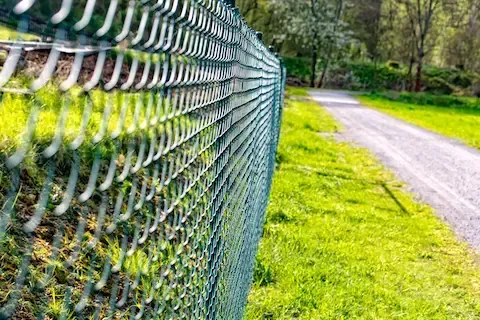
Chain Link Fence Repair After Abilene TX Wind Storms
Wind storms in Abilene can bend top rails, tear mesh sections, and knock fence posts out of alignment. Most chain link damage involves repairing bent framework, replacing torn fabric sections, and re-tensioning sagging areas. Posts leaning more than 15 degrees typically need reset or replacement, while minor bends in top rails can often be straightened and reinforced without full replacement.
How do you assess chain link fence wind damage?
Start by walking the entire fence line to document all damage points. Check each post for vertical alignment using a level - posts leaning more than 15 degrees from vertical need attention. Examine the top rail for bends, breaks, or separation from posts. Look for tears in the mesh fabric, especially near corners and gate areas where wind stress concentrates.
Take photos of each damaged section before starting repairs. This documentation helps when dealing with insurance claims and ensures you address all issues during the repair process. Mark severely damaged sections with spray paint or flags for priority attention.
What tools and materials are needed for chain link repairs?
Essential tools include a come-along or fence stretcher, wire ties, fence pliers, post level, and a sledgehammer. For material replacement, stock chain link fabric matching your existing gauge and height, galvanized top rail sections, and post caps.
Replacement hardware includes carriage bolts, rail end bands, tie wires, and tension bands. Keep extra materials on hand since wind damage often affects multiple fence sections simultaneously. Quality galvanized components resist rust better than standard hardware in Taylor County's climate.
How do you repair bent or damaged posts?
For posts leaning less than 15 degrees, you can often straighten them by digging around the base and using a come-along attached to a sturdy anchor point. Add concrete around the base once the post returns to vertical position.
Posts with severe bends or those leaning more than 15 degrees usually require replacement. Dig out the old concrete footing, install a new post, and pour fresh concrete. Allow 24-48 hours for concrete to cure before attaching fence fabric. Chain Link Fence Installation techniques apply when setting replacement posts to ensure proper depth and alignment.
How do you fix torn or damaged chain link fabric?
Small tears can be repaired by weaving replacement wire through the damaged area. For larger tears, cut out the damaged section completely and splice in a new piece of fabric. Overlap the new section with existing fabric by at least two diamond patterns on each side.
Use aluminum tie wires every 12 inches to secure the new fabric to the framework. Tension the repaired section using a fence stretcher to match the tightness of surrounding areas. Loose fabric creates weak points that fail during future wind events.
What should you do about damaged top rails?
Minor bends in top rails can often be straightened using a pipe bender or careful hammering over a solid surface. Support the rail properly during straightening to avoid creating additional weak points. Severely bent or cracked rails need complete replacement.
When installing new top rail sections, ensure proper overlap at joints and secure with appropriate rail end bands. Galvanized steel rails perform better than aluminum in Abilene's wind conditions. Proper installation prevents future separation during storms.
How do you prevent future wind damage?
Install additional posts every 6 feet instead of the standard 8-foot spacing in areas prone to high winds. This reduces stress on individual posts during storms. Consider upgrading to heavier gauge fabric and framework in particularly exposed locations.
Regular maintenance prevents small issues from becoming major problems during wind events. Tighten loose hardware, replace worn tie wires, and address minor damage before storms arrive. Well-maintained fencing withstands wind stress better than neglected installations.
Professional fence contractors in Taylor County understand local wind patterns and can recommend specific reinforcement strategies for your property. Ranch fence installation projects often incorporate wind-resistant features that apply to residential chain link repairs as well. Proper repair techniques restore your fence's security and appearance while improving resistance to future storm damage.
