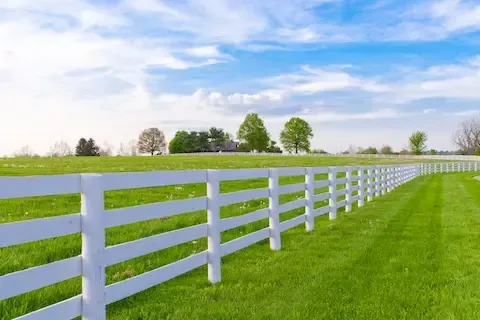
Cattle and Ranch Fence Installation in Taylor County
Ranch and cattle fencing in Taylor County requires specialized knowledge of both livestock behavior and the challenging West Texas environment. Whether you're managing a small family operation or overseeing thousands of acres, the right fencing system protects your investment while standing up to extreme weather conditions, from scorching summers to unexpected ice storms.
Essential Ranch Fencing Materials for Taylor County Operations
Working ranches across Taylor County rely on three primary fencing materials, each serving specific purposes based on terrain, livestock type, and budget considerations. Woven wire fencing provides the strongest containment for cattle, featuring horizontal and vertical wires woven together to create a solid barrier that prevents animals from pushing through or getting caught. This material works exceptionally well for perimeter fencing and areas where cattle pressure is highest.
Barbed wire remains the most cost-effective option for large acreage, particularly effective for mature cattle that respect boundaries once trained. The key lies in proper installation with adequate tension and appropriate spacing between posts. High-tensile wire systems offer modern efficiency, using fewer posts while maintaining superior strength through advanced tensioning techniques.
For specialized applications, you might consider combination systems that blend materials based on specific field conditions. Areas with challenging terrain or heavy wildlife traffic often benefit from hybrid approaches that maximize both functionality and longevity. Professional Agricultural Fence Installation ensures proper material selection based on your unique ranch requirements.
Terrain and Environmental Factors in West Texas
Taylor County's diverse landscape presents unique challenges that directly impact fencing decisions. Rolling hills, rocky outcroppings, and seasonal creek beds require flexible installation approaches that accommodate natural drainage patterns while maintaining fence integrity. Clay soils common in the region expand and contract dramatically with moisture changes, affecting post stability and wire tension throughout the year.
Wind loads in this part of West Texas can exceed 70 mph during severe weather events, making proper bracing and post depth critical for long-term performance. Rocky subsoil conditions often encountered around Abilene require specialized equipment and techniques for post installation, particularly when dealing with limestone layers that can damage standard auger equipment.
Seasonal temperature swings from below freezing to over 100 degrees create expansion and contraction cycles that stress fence materials. High-quality galvanized coatings become essential for preventing rust and corrosion in this climate, while proper wire tensioning accounts for thermal movement throughout the year.
Livestock Management Through Strategic Fence Placement
Effective cattle management begins with understanding how fence placement influences grazing patterns, water access, and animal movement across your property. Strategic fence lines can direct cattle away from sensitive areas while ensuring efficient utilization of available pasture. Consider natural cattle paths when planning fence routes, as working with existing movement patterns reduces fence pressure and maintenance requirements.
Water source access remains paramount in fence planning, ensuring each pasture section provides adequate water without creating bottlenecks that lead to overgrazing around tanks or natural water sources. Fence placement should also account for prevailing wind patterns, allowing cattle to find natural windbreaks during harsh weather while preventing overcrowding in sheltered areas.
Working facilities integration requires careful planning to ensure smooth cattle movement between pastures and handling areas. Gate placement, alleyway design, and temporary fencing options all contribute to efficient ranch operations that minimize stress on both cattle and handlers.
Common Installation Mistakes That Compromise Fence Performance
Many ranch fencing projects fail due to inadequate corner bracing systems that cannot withstand the tremendous forces generated by properly tensioned wire. Corner assemblies must transfer thousands of pounds of tension through solid timber or steel construction anchored deep enough to resist soil movement. Insufficient post depth represents another critical failure point, particularly in Taylor County's variable soil conditions where frost heave and clay movement can shift inadequately anchored posts.
Wire tension mistakes occur frequently when installers attempt to over-tighten wires during hot weather, leading to excessive tension when temperatures drop and materials contract. Conversely, insufficient tension creates sagging fences that cattle can easily breach or damage. Proper tensioning requires understanding material characteristics and seasonal adjustment needs.
Gate hardware selection often receives insufficient attention, yet represents the most frequently used component of any fence system. Quality hinges, latches, and gate construction materials must match the fence system's expected lifespan while providing reliable daily operation under ranch conditions.
Taylor County Permit Requirements and Property Line Considerations
Agricultural fencing projects in Taylor County typically fall under standard agricultural exemptions, but property line fencing requires clear understanding of boundary locations and neighbor agreements. Survey requirements vary based on property size and fence placement, with perimeter fencing often requiring professional survey confirmation to avoid costly disputes.
Easement considerations become critical when fencing around utility lines, pipeline corridors, or access roads that cross ranch property. Many properties in the Abilene area include mineral rights separations that affect fence placement and maintenance responsibilities. Understanding these legal requirements before installation prevents expensive modifications later.
Setback requirements for certain fence types, particularly near public roads or neighboring properties, must be verified with Taylor County planning officials. Some fence designs require specific spacing from roadways or property lines to meet county regulations.
Professional Installation Advantages in Agricultural Applications
Professional fence installation brings specialized equipment and expertise that dramatically improves both installation speed and long-term performance. Heavy-duty post drivers, professional tensioning equipment, and specialized tools for working in rocky conditions ensure proper installation that DIY approaches often cannot achieve.
Experienced contractors understand local soil conditions, weather patterns, and material performance characteristics specific to the Taylor County environment. This knowledge translates into material selection, installation techniques, and maintenance recommendations that extend fence life while reducing total ownership costs.
Professional installation also provides warranty protection and ongoing support that proves valuable when addressing inevitable fence maintenance needs. Established contractors maintain relationships with material suppliers, ensuring access to replacement parts and compatible materials years after initial installation. For comprehensive fence solutions, consider exploring wrought iron fence basics for specialized applications around ranch headquarters or residential areas.
Long-Term Maintenance and Performance Optimization
Successful ranch fence systems require proactive maintenance schedules that address both routine upkeep and seasonal adjustments. Regular wire tension checks, particularly during extreme temperature changes, prevent both sagging and over-tension damage that can compromise fence integrity. Post stability inspection should occur annually, with particular attention to corner and gate posts that bear the greatest structural loads.
Once the fence is built, our summer ranch fence maintenance walkthrough covers the seasonal checks that keep it standing.
Vegetation management around fence lines prevents both wire damage and post deterioration while maintaining clear sight lines for livestock management. Prescribed burning, mechanical clearing, or targeted herbicide applications keep fence lines accessible while preventing brush from creating fence gaps or providing escape routes for cattle.
Hardware maintenance includes regular lubrication of gate mechanisms, replacement of worn fasteners, and inspection of electrical components for electric fence systems. Preventive maintenance costs significantly less than emergency repairs during critical times like roundup or breeding seasons when fence failures can result in significant livestock management problems.
