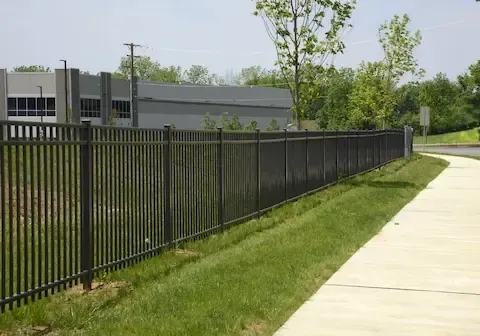
Wrought Iron Fence Installation in Abilene Taylor County
Understanding Wrought Iron Fencing Options in Abilene
Wrought iron fencing represents one of the most durable and aesthetically appealing perimeter solutions available to property owners in Abilene and Taylor County. Unlike mass-produced alternatives, wrought iron combines functional security with ornamental beauty that can enhance property values while providing decades of reliable service. The material's inherent strength and malleability allow for custom designs that complement both traditional and contemporary architectural styles throughout the region.
True wrought iron contains minimal carbon content, making it highly resistant to cracking under stress while remaining workable for intricate decorative elements. Modern installations often utilize steel components that mimic traditional wrought iron characteristics while offering improved consistency and cost-effectiveness. Both materials perform exceptionally well in Texas's Zone 8a climate when properly treated and maintained.
Professional installation ensures proper foundation work, accurate measurements, and adherence to local building codes. Taylor County building regulations specify setback requirements and height restrictions that vary by zoning district, making professional consultation essential before beginning any fence project.
Design Styles and Customization Possibilities
Ornamental iron fence designs range from simple vertical picket styles to elaborate patterns featuring scrollwork, finials, and decorative panels. Traditional Victorian-inspired designs work particularly well with Abilene's historic neighborhoods, while contemporary geometric patterns complement modern commercial and residential developments.
Standard height options include 3-foot, 4-foot, 6-foot, and 8-foot configurations, with custom heights available for specific applications. Picket spacing typically ranges from 4 to 6 inches for security applications, though wider spacing creates a more open aesthetic while reducing material costs.
Gate configurations can accommodate pedestrian traffic, vehicle access, or both. Single swing gates work well for walkways up to 4 feet wide, while double swing or sliding gates handle wider driveways and commercial entrances. Automated gate operators can be integrated during initial installation or added later as an upgrade.
Color options extend far beyond traditional black finishes. Powder coating technology allows for bronze, green, white, and custom color matching to complement existing structures. The powder coating process creates a harder, more durable finish than traditional paint while providing superior UV and weather resistance.
For driveway entrances specifically, see our guide to ornamental iron driveway gates in Taylor County.
Foundation and Installation Requirements
Proper foundation work determines the longevity and structural integrity of wrought iron installations. Post spacing typically ranges from 6 to 8 feet depending on fence height and local wind load requirements. Each post requires a concrete foundation extending below the frost line, which in Taylor County means a minimum depth of 18 inches.
Soil conditions throughout Abilene vary significantly, with clay-heavy areas requiring different foundation approaches than sandy or rocky terrain. Professional soil evaluation ensures appropriate foundation sizing and concrete specifications for each location.
Post installation involves precise leveling and alignment to ensure proper panel fit and gate operation. Temporary bracing maintains position during concrete curing, which requires 24 to 48 hours before panel attachment can begin.
Panel attachment methods include welding, mechanical fasteners, or a combination approach depending on design requirements and local building codes. Welded connections provide maximum strength but require on-site expertise and equipment. Mechanical fasteners allow for easier future adjustments or repairs.
Climate Considerations for Taylor County Installations
Texas heat and UV exposure create specific challenges for iron fence installations. Summer temperatures regularly exceed 100 degrees Fahrenheit, causing metal expansion that must be accommodated in panel design and connection methods. Proper expansion joints prevent stress cracking and maintain structural integrity over time.
Powder coating formulations specifically designed for Texas climate conditions provide enhanced UV resistance and color retention. Standard automotive-grade finishes may fade or chalk within 3 to 5 years, while premium powder coating systems maintain appearance for 10 to 15 years with proper maintenance.
Seasonal weather patterns including thunderstorms, hail, and occasional ice storms require robust construction techniques. Wind load calculations based on local weather data ensure adequate structural capacity for extreme weather events.
Drainage considerations prevent water accumulation around post foundations, which could lead to premature corrosion or foundation movement. Proper grading and drainage during installation protects the investment long-term.
Security Features and Access Control Integration
Wrought iron fencing provides excellent security through both physical barriers and visual deterrence. Pointed picket tops discourage climbing attempts while maintaining an attractive appearance. Additional security features include anti-climb designs, reinforced panels, and integration with electronic security systems.
Access control integration allows for keypad entry, card readers, or smartphone-controlled gate operators. These systems can log entry and exit times while providing convenient access for authorized users. Professional installation ensures proper wiring and weatherproofing for reliable operation.
Wrought Iron Fence Installation services include consultation on security requirements and recommendations for appropriate hardware and electronic components.
Commercial applications may require additional security features such as razor ribbon, electrification, or integration with surveillance systems. These installations require specialized permits and professional expertise to ensure code compliance and safe operation.
Maintenance Requirements and Long-Term Care
Regular maintenance preserves both appearance and structural integrity of wrought iron installations. Annual inspection identifies potential issues before they require costly repairs. Key maintenance tasks include cleaning, touch-up painting, lubrication of moving parts, and foundation monitoring.
Cleaning removes accumulated dirt, pollen, and environmental contaminants that can cause finish degradation. Pressure washing with appropriate detergents provides thorough cleaning without damaging powder coating finishes. Avoid harsh chemicals or abrasive cleaning methods that could compromise protective coatings.
Touch-up painting addresses minor scratches or chips before rust formation begins. Matching paint systems to original finishes requires professional color matching and application techniques. Preventive touch-ups cost significantly less than full refinishing projects.
Gate hardware requires periodic lubrication to maintain smooth operation and prevent premature wear. Hinges, latches, and automated operators should be serviced according to manufacturer specifications. Professional maintenance contracts ensure consistent care and warranty protection.
Cost Factors and Installation Timeline
Wrought iron fence costs vary based on design complexity, height, linear footage, and site conditions. Simple picket designs start around $25 per linear foot installed, while elaborate custom work can exceed $50 per linear foot. Gate installations add $500 to $2,000 depending on size and automation requirements.
Site preparation costs depend on existing conditions and access requirements. Level terrain with good access minimizes installation time and costs, while sloped or difficult-access sites require additional labor and equipment.
Permit costs in Taylor County typically range from $50 to $200 depending on project scope and zoning district. Commercial installations may require engineering stamps and additional documentation that increases permit costs and processing time.
Installation timelines range from 2 to 5 days for residential projects up to 200 linear feet. Larger commercial installations or complex custom work may require 1 to 2 weeks. Weather delays can extend timelines, particularly during concrete curing periods.
For additional fencing options and comparisons, consider reviewing the chain link rundown to understand how different materials and styles compare for your specific needs.
Professional Installation Benefits
Professional installation ensures compliance with local building codes, proper foundation work, and warranty protection. Licensed contractors carry appropriate insurance coverage and bonding that protects property owners from potential liability issues.
Experienced installers understand Taylor County soil conditions, climate requirements, and permitting processes. This expertise prevents common mistakes that could lead to structural problems or code violations requiring costly corrections.
Quality control throughout the installation process includes material inspection, proper foundation preparation, accurate measurements, and final adjustment for optimal operation. Professional installation typically includes warranty coverage for both materials and workmanship.
Ongoing support includes maintenance recommendations, repair services, and upgrade options as needs change over time. Establishing a relationship with local professionals provides long-term value through continued service and expertise.
