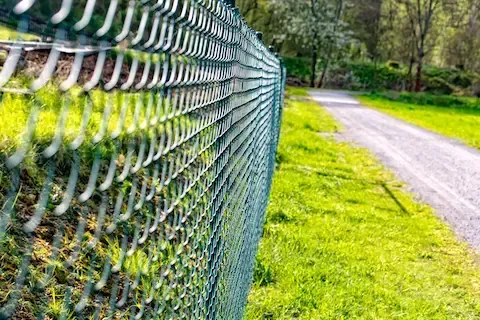
Chain Link Fence Installation in Abilene Taylor County
Chain link fencing stands as one of the most versatile and cost-effective perimeter solutions available to Abilene property owners. Whether you're securing a residential backyard, commercial facility, or agricultural property across Taylor County, understanding the installation process and local considerations helps ensure your project delivers lasting value and functionality.
Chain Link Fence Materials and Construction
Chain link fencing consists of galvanized steel wire woven in a diamond pattern, creating a durable mesh that provides security while maintaining visibility. The standard gauge ranges from 9 to 11.5, with heavier gauges offering increased strength and longevity. Posts typically use galvanized steel ranging from 2-3/8 inches to 4 inches in diameter, depending on fence height and intended use.
Galvanized coating protects against rust and corrosion, particularly important in West Texas where temperature extremes and occasional moisture can challenge fence materials. Color-coated options, typically vinyl-coated in green, black, or brown, provide additional protection while offering aesthetic appeal. The vinyl coating bonds to the galvanized surface, creating a dual-layer protection system that extends fence life significantly.
Top rails and tension bands distribute load across the fence structure, while tie wires secure the mesh to posts at regular intervals. Gate hardware includes hinges, latches, and catches designed to withstand frequent use while maintaining alignment. Professional installations incorporate proper tension throughout the mesh, preventing sagging and ensuring long-term structural integrity.
Site Preparation and Planning Requirements
Proper site preparation begins with accurate property line identification and utility location. In Taylor County, contacting 811 Texas for utility marking remains mandatory before any excavation work begins. Property surveys help establish exact boundaries and identify any easements or restrictions that might affect fence placement.
Soil conditions across the Abilene area vary considerably, from rocky caliche formations to clay-heavy soils that expand and contract with moisture changes. Post hole depth requirements adjust based on soil type, with rocky conditions requiring specialized equipment for proper excavation. Standard installations call for post holes at least one-third the height of the above-ground fence, with deeper requirements for loose or sandy soils.
Drainage considerations prove crucial in areas prone to water collection or runoff. Proper grading around fence lines prevents water pooling that can undermine post stability. Gate locations require additional planning for swing clearance, vehicle access, and daily use patterns. Commercial installations often incorporate multiple access points with varying security levels based on operational needs.
Installation Process and Techniques
Professional chain link installation follows a systematic approach that ensures structural soundness and visual appeal. Corner and end posts install first, establishing the fence line and providing anchor points for proper tensioning. These posts require concrete setting in most soil conditions, with cure times varying based on temperature and humidity levels typical in West Texas.
Line post spacing typically ranges from 6 to 10 feet, depending on fence height and local wind loads. The Abilene area experiences significant wind events that require proper post spacing and depth for adequate resistance. Post plumb and alignment checks occur throughout installation, ensuring straight fence lines and proper gate operation.
Fabric installation begins after post concrete has adequately cured, usually 24-48 hours in normal conditions. Chain Link Fence Installation requires proper tensioning equipment to achieve uniform mesh tightness without over-stressing the material. Come-alongs and fence pullers distribute tension evenly, preventing localized stress points that can lead to premature failure.
Gate installation requires precise measurements and proper hardware selection. Heavy-use gates need reinforced frames and commercial-grade hinges capable of handling frequent operation. Latch mechanisms must align properly while accounting for normal settling and seasonal ground movement common in clay soils found throughout Taylor County.
Height and Security Considerations
Fence height selection depends on intended purpose, local regulations, and security requirements. Residential applications typically range from 4 to 6 feet, providing adequate boundary definition and pet containment while maintaining neighborly relations. Commercial and industrial installations often require 6 to 8 feet or higher, with some facilities incorporating barbed wire or security enhancements.
Security upgrades include bottom rail installation to prevent lifting, privacy slats for visual screening, and tension wire systems that increase cut resistance. Some commercial applications incorporate detector systems or lighting integration that requires coordination during installation planning. Gate security ranges from simple spring latches to electronic access controls with keypad or card reader integration.
Pool fencing applications must meet specific safety codes regarding height, gate hardware, and latch placement. These installations require self-closing, self-latching gates with latch mechanisms positioned beyond young children's reach. Proper installation ensures compliance with local building codes and insurance requirements.
Local Climate and Environmental Factors
West Texas weather patterns create specific challenges for chain link fencing installations. Temperature extremes cause metal expansion and contraction that proper installation techniques must accommodate. Sudden temperature drops can affect concrete curing, while extreme heat may require adjusted work schedules and material handling procedures.
Wind resistance becomes critical in areas experiencing frequent high winds or severe weather events. Post spacing, depth, and concrete volume calculations must account for sustained winds and periodic storm conditions. Fabric attachment methods and tension settings require adjustment for high-wind areas to prevent damage during severe weather.
Dust and debris accumulation affects fence appearance and can accelerate wear in moving parts like gate hardware. Regular maintenance schedules help preserve function and appearance, while proper initial installation techniques minimize long-term maintenance requirements. Coating selection considers local environmental factors, including UV exposure, temperature cycling, and occasional moisture events.
After a wind event, our guide to chain link fence repair following Abilene storms covers what gets straightened versus replaced.
Commercial and Agricultural Applications
Commercial chain link installations serve diverse purposes across Abilene's business community, from warehouse security to retail perimeter control. Loading dock areas require specialized gate configurations that accommodate truck traffic while maintaining security when facilities are closed. Some installations incorporate vehicle barriers or crash-rated components for enhanced protection.
Agricultural applications across Taylor County often require longer fence runs with specific gate configurations for equipment and livestock access. Ranch and farm installations may incorporate specialized hardware for cattle guards, equipment gates, or seasonal access control. Wire spacing and gauge selection adjusts based on intended livestock containment, with smaller mesh preventing escape of smaller animals.
Industrial facilities frequently require integrated systems combining chain link with other security measures. Coordination with surveillance systems, lighting, and access controls requires careful planning during installation phases. Some applications incorporate double-fence configurations with controlled access zones between perimeter barriers.
Maintenance and Longevity Factors
Proper maintenance extends chain link fence life significantly while preserving appearance and function. Regular inspections identify loose connections, damaged fabric, or hardware wear before problems escalate. Gate adjustments address normal settling and wear, maintaining proper operation and security function.
Galvanized coatings provide excellent corrosion resistance, but damage from impact or abrasion can expose base metal to oxidation. Touch-up coatings and repair materials help address minor damage before rust spreads. Vinyl-coated fencing requires different maintenance approaches, with cleaning and inspection focusing on coating integrity and adhesion.
Vegetation management around fence lines prevents root damage to posts and maintains clear sight lines for security applications. Proper drainage maintenance prevents water accumulation that can undermine post stability or accelerate corrosion in buried components. Professional maintenance services can address complex repairs or system upgrades as needs change over time.
Professional Installation Advantages
Professional installation ensures compliance with local building codes and manufacturer specifications while providing warranty protection for materials and workmanship. Experienced contractors understand soil conditions, weather patterns, and installation challenges specific to the Abilene area, resulting in superior long-term performance.
Proper equipment and techniques produce installations that maintain appearance and function longer than typical DIY attempts. Professional crews complete projects efficiently while coordinating with utility companies, inspectors, and property owners to minimize disruption. Insurance coverage and licensing provide protection throughout the installation process and beyond.
Quality installations incorporate appropriate materials for specific applications while considering future needs and expansion possibilities. Professional planning addresses drainage, access, maintenance requirements, and integration with existing structures or systems. The result is a chain link fence system that delivers reliable service for decades while maintaining property value and functionality.
