Fall Commercial Fence Inspection in Abilene Taylor County
When summer ends in Abilene, the punishment it put on your perimeter fencing becomes visible. Months of West Texas heat, wind-driven dust, and UV exposure leave commercial fencing in worse shape than most property managers realize until something fails at the worst possible moment. A structured fall inspection gives you a clear picture of what held up, what needs repair, and what requires replacement before winter arrives. Getting ahead of that work now protects your liability, your tenants, and your budget through the colder months.
Why Fall Is the Right Time to Inspect Commercial Fencing in Taylor County
Taylor County summers are hard on fencing materials. Temperatures regularly exceed 100 degrees for extended stretches, and the prevailing winds carry grit that accelerates wear on mesh, hardware, and coatings. By the time September and October arrive, that cumulative stress is fully visible — rust blooms are established, post anchors have been cycled through dozens of heat-expansion events, and gate hardware has been opening and closing in conditions that accelerate fatigue. Inspecting in the fall gives you maximum visibility into what the summer took out before winter freeze events add a second layer of stress to already compromised components.
For commercial property managers in Abilene handling multi-tenant facilities, distribution yards, school campuses, or industrial perimeters, the fall window also gives you enough time to schedule and complete repairs before budget cycles close and contractor availability tightens around the holidays. Acting in October is almost always easier and less expensive than reacting in January.
Walking the Perimeter: What to Look For Section by Section
A useful commercial inspection is systematic. Walking your fence line casually and looking for obvious damage misses the details that cause problems later. Break your perimeter into logical segments and work through each one with a specific checklist.
Posts and footings are your first priority. Look for posts that have shifted, leaned, or show signs of heaving at the base. In clay-heavy Taylor County soils, posts can move subtly without falling. Check for concrete collar cracking at grade level, which allows water to channel down into the post base and accelerate rust from below ground. Any post that moves when you push it laterally needs attention before winter.
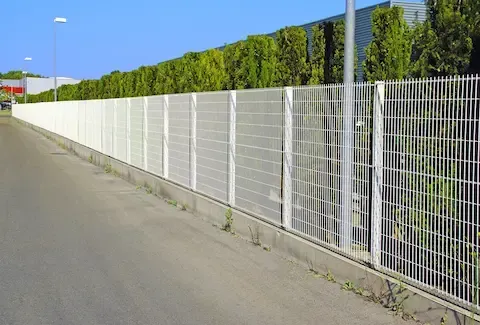
Mesh and panel sections should be inspected for stretching, bottom gaps, bent fabric, broken welds on welded wire panels, and corrosion patterns. Chain link mesh that has started to unravel at the bottom or separate from tension wire is both a security vulnerability and a physical hazard. Look especially at sections near vehicle traffic lanes or loading areas, where impact damage accumulates.
Top rails and bracing often show rust at the collar connections before anywhere else. Water pools in horizontal rail sections and works outward. Tap rail connections and listen for hollow sounds that indicate internal rust has already progressed. Brace bands and rail ends are common failure points that are inexpensive to replace early and expensive to ignore.
Gate Systems Deserve Their Own Inspection Category
Gates take more abuse than any other part of a commercial fence system. Every open-close cycle puts stress on hinges, latches, and frames. By fall, that stress shows up in misalignment, binding, sag, and worn latch mechanisms. Walk every gate on your property and test it through a full cycle. A gate that drags on the ground, doesn't fully close, or requires force to latch is a liability issue and a security failure.
For properties with automated sliding or swing gates, fall is the time to inspect the operator unit, the control wiring, loop detectors, safety edges, and battery backup systems. Dust from the summer months gets into operator housings and accelerates wear on gears and circuit boards. Have a technician pull the cover and inspect the interior if your system is more than a few years old. Commercial Fence Installation projects that include automated entry systems require more detailed seasonal maintenance than manual systems, and that investment pays off in avoided emergency repair calls.
Hardware, Signage, and Code Compliance Items
The small components that hold your fence system together are often what fails first. Tension bands, brace bands, hinge hardware, drop rods, and padlock hasps all experience UV degradation and corrosion. Walk the line specifically looking at these fastener points. Replace any component showing surface rust that has progressed to pitting — surface treatment won't stop internal corrosion once pitting begins.
Signage attached to commercial perimeter fencing is a separate compliance matter. Check that no trespassing signs, hours of access signs, and any required safety or hazard signage is still legible, properly mounted, and meets any local or regulatory requirements. Signs that have faded, blown loose, or been damaged during the summer need to be replaced before a liability event makes the omission a problem.
For properties near Abilene's industrial corridors or along commercial zones in eastern Taylor County, verify that fence heights and access control configurations still meet your current lease requirements or any updated county or city ordinance guidance.
Documentation Practices That Protect Property Managers
A physical walkthrough only protects you if you document what you find. Photograph every deficiency, note the location by GPS or landmark reference, and log the date of your inspection. This documentation serves two purposes: it gives your repair contractor a clear scope of work, and it establishes a record that you identified and acted on issues proactively if a liability question arises later.
Pair your inspection notes with a written repair priority list organized by urgency — safety failures and security gaps first, cosmetic and minor hardware issues after. For properties in Taylor County that fall under commercial lease agreements requiring landlord maintenance of perimeter systems, that documentation also protects your position with tenants.
If you manage multiple properties across the Abilene area, consider building a standardized inspection template and repeating this process every fall and spring. Facilities that run scheduled maintenance cycles spend less on emergency repairs and maintain fence systems considerably longer before full replacement becomes necessary. A comparison to storage facility perimeter builds shows how scheduled inspections on rural perimeter systems produce similar longevity advantages — the principle applies equally to commercial properties in urban and suburban Abilene settings.
When to Call a Professional vs. Handle It In-House
Minor hardware replacement, sign reposting, and light mesh repairs can often be handled by a facilities maintenance team. The line shifts when structural repairs are involved — post replacement, footing work, gate frame realignment, and automated operator service require professional-grade tools and experience to do correctly. Attempting structural post replacement without proper equipment frequently results in worse alignment problems and accelerated re-failure. If your inspection turns up more than surface-level issues, bringing in a commercial fencing contractor in Abilene for an assessment costs less than a failed repair attempt.
