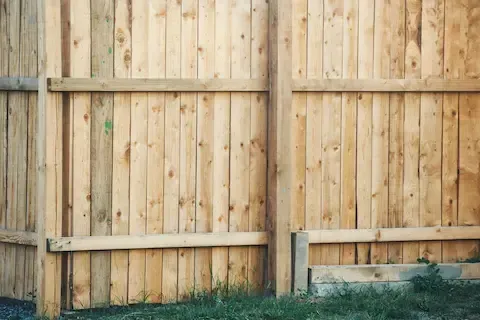
Privacy Fence Installation in Abilene Taylor County
Privacy fence installation in Abilene and Taylor County requires specialized knowledge of West Texas conditions that can make or break your investment. The combination of expansive clay soils, frequent wind events exceeding 30 mph, and Zone 8a temperature extremes demands engineering decisions that differ significantly from standard fencing approaches used in more moderate climates.
Your fence installation success depends on understanding how Taylor County's unique geological and meteorological conditions affect foundation stability, material selection, and long-term performance. Professional installers familiar with local conditions can navigate these challenges while ensuring your privacy fence provides decades of reliable service.
Understanding Abilene's Soil and Climate Challenges
Taylor County's expansive clay soils present the primary engineering challenge for privacy fence installations. These soils undergo dramatic volume changes throughout the year, expanding during wet periods and contracting during drought conditions. This movement can shift fence posts by several inches if not properly addressed during installation.
The clay composition requires post holes to extend below the active zone, typically 30 to 36 inches deep in the Abilene area. Standard 24-inch installations common in other regions will fail within two to three years as soil movement gradually loosens post foundations. Professional installers use mechanical augers to achieve consistent hole depth and diameter, ensuring adequate concrete volume for permanent stability.
West Texas wind patterns add another layer of complexity to privacy fence design. Prevailing southwesterly winds during spring months frequently exceed 25 mph, with gusts reaching 40 to 50 mph during thunderstorm activity. These forces create significant lateral loads on solid fence panels, requiring robust post spacing and reinforcement strategies.
Summer temperatures in Taylor County regularly exceed 100°F, causing wood materials to expand and contract cyclically. Quality installations account for this movement through proper spacing and fastener selection. Metal components must be galvanized or powder-coated to prevent corrosion in the semi-arid climate where humidity fluctuates dramatically between seasons.
Material Selection for West Texas Durability
Cedar remains the preferred wood species for privacy fencing in the Abilene area due to its natural resistance to insects and decay. Western Red Cedar and Eastern Red Cedar both perform well in Taylor County's climate, though Western Red Cedar offers superior dimensional stability and weather resistance for the slight cost premium.
Pressure-treated pine provides a cost-effective alternative when properly specified. Look for lumber treated to .40 retention levels or higher, as standard .25 treatments may not provide adequate protection against the cyclical wet-dry conditions common in West Texas. The copper-based preservatives in modern pressure-treated lumber resist both termites and fungal decay.
Post selection significantly impacts long-term performance. Six-inch round posts or 4x6 square posts provide the structural capacity needed for 6-foot privacy panels in windy conditions. Eight-foot sections require 8-inch posts or engineered alternatives to maintain structural integrity during high-wind events.
Composite fencing materials offer excellent performance in Taylor County's climate but require careful consideration of thermal expansion. Quality composite products include UV inhibitors and thermal stabilizers designed for the intense solar exposure common in West Texas. The higher upfront cost often balances against reduced maintenance requirements over the fence's lifespan.
Installation Techniques for Long-Term Stability
Proper post installation begins with hole diameter sizing. In clay soils, holes should measure three times the post width to accommodate adequate concrete volume. A 6-inch post requires an 18-inch diameter hole, allowing for 6 inches of concrete thickness around the entire perimeter. This concrete mass provides the thermal inertia needed to resist soil movement forces.
Concrete mixing ratios must account for the extended working time needed in hot weather. A standard 4,000 PSI mix with retarding agents prevents premature setup while ensuring full strength development. Fast-setting concrete products work well for corner and gate posts but may not provide optimal performance for line posts in clay soil conditions.
Panel attachment methods significantly affect wind resistance. Traditional face-mounting creates weak points where fasteners concentrate stress loads. Through-bolt connections or pocket-screw techniques distribute forces across larger areas, reducing the likelihood of panel failure during wind events. Professional installers often use structural screws rated for the expected wind loads rather than standard fence screws.
Gate installations require special attention in clay soil conditions. Double posts with cross-bracing prevent the sagging common when soil movement affects gate alignment. Self-closing hinges and adjustable catches accommodate the seasonal movement inherent in expansive soil installations while maintaining proper gate operation.
For those interested in exploring different fencing options, the wood fence rundown provides comprehensive information about various wood fencing styles and their applications in West Texas conditions.
For wind-prone lots specifically, our breakdown of shadowbox privacy fences for Abilene wind loads explains why the alternating board pattern survives gusts that flatten solid panels.
Design Considerations for Privacy and Aesthetics
Solid board privacy fences provide maximum screening but create significant wind resistance. Standard 6-foot solid panels can experience loads exceeding 40 pounds per square foot during severe weather events. Post spacing must reflect these loads, typically requiring 6-foot centers rather than the 8-foot spacing adequate for decorative fencing.
Shadowbox designs reduce wind loads while maintaining privacy through offset board placement. The partial air permeability reduces pressure buildup during wind events, extending fence lifespan and reducing maintenance requirements. This design proves particularly effective in Taylor County where spring wind events are predictable and severe.
Board-on-board construction provides another wind-resistant privacy option. Alternating board placement on opposite sides of the fence framework creates visual privacy while allowing air circulation. This technique works especially well for longer fence runs where solid panels might create problematic wind loading.
Top rail treatments affect both appearance and structural performance. Decorative caps and post tops must be securely fastened to prevent wind damage. In Taylor County's climate, expansion joints between rail sections prevent binding as wood dimensions change with moisture content variations throughout the year.
Maintenance Requirements in Taylor County Climate
Annual inspection schedules should align with seasonal weather patterns in the Abilene area. Spring inspections, conducted after winter freeze-thaw cycles, identify any post movement or panel damage before summer heat creates additional stress. Fall inspections prepare the fence for winter weather and identify maintenance needs before contractor schedules fill for spring installations.
Staining or sealing requirements depend on material selection and exposure conditions. Cedar fences may require treatment every 2-3 years to maintain appearance, while pressure-treated installations can often extend 4-5 years between treatments. South and west-facing exposures typically require more frequent maintenance due to intense UV exposure and temperature extremes.
Hardware inspection focuses on fastener integrity and gate operation. Galvanized fasteners resist corrosion but may require replacement after 8-10 years in Taylor County's climate. Stainless steel hardware provides longer service life but requires higher initial investment. Regular lubrication of gate hinges and latches prevents binding as dust and debris accumulate.
Post stability monitoring becomes crucial after the first two years of installation. Clay soil movement typically stabilizes after initial settlement, but unusual weather patterns can create ongoing movement. Professional installers often provide warranty coverage that includes post adjustment during this stabilization period.
Common Installation Mistakes to Avoid
Inadequate post depth represents the most common failure mode in Taylor County installations. Standard residential fencing depths of 24 inches prove insufficient for clay soil conditions and wind loads. Contractors unfamiliar with local conditions often underestimate the depth requirements, leading to premature fence failure and costly repairs.
Concrete volume mistakes create long-term stability problems. Skimping on concrete to reduce costs typically results in post movement within 2-3 years. The false economy of reduced concrete volume costs far more when posts require resetting or complete replacement. Quality installations use adequate concrete volumes from the outset.
Panel spacing errors affect both appearance and performance. Boards installed without proper expansion gaps bind as moisture content changes, creating stress concentrations that lead to splitting and warping. Taylor County's dramatic humidity swings require generous expansion allowances, particularly for longer board runs.
Gate hardware undersizing causes operational problems and safety concerns. Standard residential gate hardware may not provide adequate strength for the wind loads and daily use common in privacy fence applications. Commercial-grade hinges and latches provide better long-term performance despite higher initial costs.
Working with Professional Installers
Qualified fence contractors in the Abilene area understand local soil conditions and building requirements specific to Taylor County. Experience with clay soil installations and wind-resistant design separates professional contractors from general handymen or out-of-area installers unfamiliar with West Texas conditions.
Licensing and insurance verification protects your investment and ensures accountability. Texas requires contractors to carry liability insurance and workers' compensation coverage. Local contractors familiar with Taylor County building department requirements can navigate permit processes efficiently and ensure code compliance.
Material sourcing affects both cost and availability. Local contractors maintain relationships with suppliers who stock materials suitable for West Texas conditions. This ensures consistent quality and reduces project delays common when materials must be special-ordered from distant suppliers.
Warranty coverage should reflect the unique challenges of Taylor County installations. Quality contractors provide warranties that cover both materials and workmanship, with specific provisions for post movement and wind damage. Understanding warranty terms before installation prevents disputes and ensures proper recourse if problems develop.
Professional Privacy Fence Installation services provide the expertise and equipment necessary for successful installations in challenging soil and climate conditions.
Cost Factors and Investment Planning
Material costs vary significantly based on species selection and quality grades. Cedar fencing typically costs 20-30% more than pressure-treated alternatives but provides superior longevity and appearance retention. The cost differential often balances against reduced maintenance requirements over the fence's service life.
Installation complexity affects labor costs more than material selection. Clay soil conditions require specialized equipment and techniques that increase installation time and complexity. Contractors experienced with local conditions can often work more efficiently than those learning soil requirements on your project.
Site preparation requirements influence total project costs. Existing vegetation removal, grade adjustments, and utility clearance requirements add to base installation costs. Professional contractors assess these factors during initial estimates to prevent cost surprises during construction.
Long-term value considerations include maintenance requirements, expected service life, and potential property value impacts. Quality privacy fence installations typically provide 15-20 years of service with proper maintenance, making the cost per year reasonable compared to temporary privacy solutions or frequent repairs of inadequate installations.
