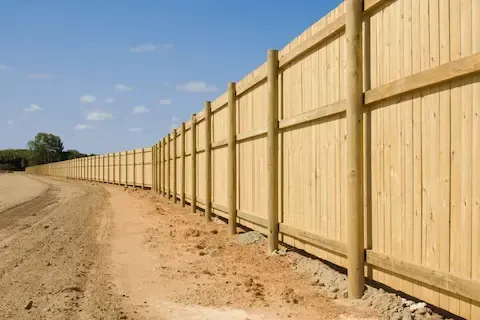
Wood Fence Installation Across Abilene Taylor County
Wood fence installation in Abilene requires understanding the unique challenges of Taylor County's climate and soil conditions. The combination of expansive clay soil, intense summer heat, and seasonal weather variations demands specific installation techniques and material choices that many contractors overlook. When you invest in a wood fence, you're making a decision that will impact your property for decades, making proper installation critical from the start.
Understanding Wood Fence Materials for West Texas
Cedar and treated pine represent the two primary wood options for Abilene fence installations, each offering distinct advantages for our regional climate. Cedar naturally resists insects and decay while maintaining dimensional stability during temperature swings. The aromatic oils in cedar provide inherent protection against termites and other wood-boring insects common in Taylor County.
Treated pine offers exceptional value and structural strength when properly pressure-treated with preservatives. The treatment process infuses the wood with chemicals that prevent rot, decay, and insect damage. However, treated pine requires more maintenance in our climate, particularly staining or sealing every two to three years to maintain optimal protection.
Post selection becomes critical in clay soil conditions. Six-inch diameter posts provide superior stability compared to standard four-inch posts, especially when concrete footings extend below the frost line. The additional mass helps resist soil movement during wet and dry cycles that characterize our regional weather patterns.
Clay Soil Installation Considerations
Taylor County's expansive clay soil presents unique challenges for fence installations that require specialized techniques. Clay soil expands significantly when wet and contracts during dry periods, creating constant pressure on fence posts and potentially causing structural failure over time.
Proper drainage around fence posts becomes essential for long-term stability. Installing gravel drainage beds beneath concrete footings allows water to drain away from posts rather than pooling and creating hydrostatic pressure. This drainage system prevents the soil saturation that leads to frost heave during winter months.
Post spacing requires adjustment for clay soil conditions. Reducing standard eight-foot spacing to six or seven feet provides additional structural support against soil movement. The closer spacing distributes lateral forces more evenly across the fence line, reducing stress on individual posts.
Concrete footing depth must extend at least thirty inches below grade to reach stable soil layers. Shallow footings in clay soil create instability as the posts move with soil expansion and contraction cycles. Professional installers understand that proper depth costs more upfront but prevents expensive repairs later.
Climate Adaptation and Seasonal Planning
West Texas weather patterns significantly impact wood fence longevity and installation timing. Summer temperatures regularly exceed 100 degrees, causing wood to expand and contract rapidly. Winter freezes followed by warm days create additional stress on fence materials and connections.
Installation timing affects long-term performance. Spring installations allow wood to acclimate gradually to increasing temperatures, while fall installations prepare the fence for winter freeze-thaw cycles. Avoiding midsummer installations prevents rapid moisture loss that can cause checking and splitting in fresh lumber.
Hardware selection must accommodate thermal expansion. Using galvanized or stainless steel fasteners prevents corrosion while allowing slight movement during temperature changes. Rigid connections can fail when wood expands, creating gaps that weaken the entire fence structure.
Finish application timing requires attention to weather conditions. Applying stain or sealers during moderate temperatures ensures proper penetration and curing. Hot weather causes finishes to flash off too quickly, while high humidity prevents proper drying and adhesion.
Common Installation Mistakes in Abilene
Many fence installations fail prematurely due to shortcuts that seem insignificant during construction but create major problems over time. Using inadequate concrete mixes represents one of the most common errors, particularly in clay soil conditions where proper drainage and strength become critical.
Insufficient post depth causes fence failure within the first few years. Contractors who ignore local soil conditions and use standard depths appropriate for sandy or loamy soils create installations that cannot withstand our clay soil movement and seasonal weather variations.
Improper spacing between fence boards creates problems during seasonal expansion and contraction. Boards installed too tightly will buckle during hot weather, while excessive gaps allow wind damage and reduce privacy. Professional installers understand the balance required for our climate conditions.
Neglecting drainage considerations leads to premature post rot and fence failure. Water accumulation around posts accelerates decay even in treated lumber. Proper grading and drainage installation prevent these moisture problems that cause expensive repairs.
The post-setting method is what determines whether the fence lasts - our step-by-step on setting wood fence posts in Abilene clay soil covers hole depth, bell-bottom shape, and the concrete collar.
Professional Installation Advantages
Professional fence installers bring specialized knowledge of local conditions that ensures proper construction from the foundation up. They understand Taylor County soil conditions, permit requirements, and installation techniques that prevent common failure modes in our climate.
Wood fence installation requires specific tools and equipment that most homeowners don't possess. Professional-grade post hole diggers, concrete mixers, and measuring equipment ensure accurate installation that meets industry standards and local building codes.
Warranty coverage provides protection against installation defects and material failures. Reputable contractors stand behind their work with comprehensive warranties that cover both materials and labor, protecting your investment against unforeseen problems.
Permitting and compliance expertise saves time and prevents legal issues. Professional installers understand Abilene building codes, setback requirements, and utility location protocols that prevent costly mistakes and delays during construction.
Maintenance Requirements for Longevity
Wood fence maintenance in West Texas requires regular attention to preserve appearance and structural integrity. Annual inspections identify developing problems before they require expensive repairs or replacement. Look for loose boards, damaged posts, and areas where moisture accumulates.
Staining or sealing every two to three years protects wood from UV damage and moisture infiltration. Choose high-quality penetrating stains designed for exterior use in harsh climates. Clear sealers provide protection while maintaining natural wood appearance, while solid stains offer color options and maximum UV protection.
Vegetation management prevents moisture retention and insect problems. Keep grass and weeds trimmed away from fence boards to promote air circulation and prevent moisture accumulation. Remove vines and climbing plants that can trap moisture and accelerate wood decay.
Storm damage requires immediate attention to prevent further deterioration. Fence repair after a storm becomes critical to maintain structural integrity and prevent additional damage from wind and weather exposure.
Cost Factors and Investment Considerations
Wood fence installation costs vary significantly based on material choices, installation complexity, and site conditions. Cedar fencing typically costs more initially but provides better longevity and lower maintenance requirements over time. Treated pine offers lower upfront costs but requires more frequent maintenance and earlier replacement.
Site preparation costs depend on terrain, existing vegetation, and accessibility. Level lots with good access require minimal preparation, while sloped or heavily wooded areas increase installation complexity and cost. Clay soil conditions may require specialized equipment and techniques that affect pricing.
Height and style selections impact both material and labor costs. Standard six-foot privacy fencing provides the most economical option, while decorative styles, custom heights, or specialized designs increase complexity and expense. Balance desired appearance with budget constraints for optimal value.
Long-term value considerations include maintenance costs, expected lifespan, and property value impact. Quality installation with appropriate materials provides decades of service with proper maintenance, while shortcuts often result in premature replacement and higher lifetime costs.
Selecting the Right Contractor
Choosing a qualified fence contractor requires careful evaluation of experience, reputation, and local knowledge. Contractors familiar with Abilene conditions understand the specific challenges of clay soil, extreme weather, and local building requirements that affect installation success.
License and insurance verification protects property owners from liability and ensures contractor accountability. Request current certificates and verify coverage with insurance companies. Properly licensed contractors follow building codes and industry standards that protect your investment.
References from recent local projects provide insight into work quality and customer satisfaction. Contact previous customers and inspect completed installations when possible. Look for fences that have weathered several seasons successfully without significant problems.
Written estimates should include detailed material specifications, installation techniques, and warranty terms. Compare proposals carefully, focusing on quality indicators rather than just price. The lowest bid often indicates shortcuts that lead to premature failure and expensive repairs.
