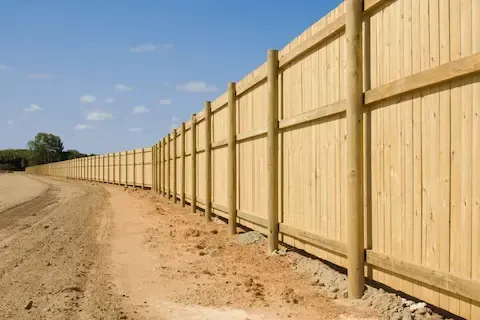
Spring Wood Fence Staining Across Abilene Taylor County
Spring marks the ideal window for wood fence staining across Abilene and Taylor County. The mild temperatures and lower humidity create perfect conditions for stain application before West Texas summer heat makes outdoor projects challenging. Proper timing and preparation ensure your fence receives maximum protection against UV damage and weathering.
Optimal Spring Staining Conditions in Taylor County
Taylor County's spring weather provides a narrow but crucial window for fence staining projects. Temperatures between 50-80°F with humidity below 50% create ideal application conditions. Morning dew typically clears by 10 AM, giving you a solid work window before afternoon winds pick up. West Texas spring winds can carry dust and debris, so checking weather forecasts becomes essential for project planning.
Rain patterns in Abilene during spring months require careful scheduling. Late March through early May often brings scattered thunderstorms that can interrupt staining projects. Allow 24-48 hours of dry weather before application and ensure no precipitation is forecasted for at least 24 hours after staining completion.
UV-Rated Stain Selection for West Texas Climate
West Texas sun intensity demands high-quality UV protection in fence stains. Semi-transparent stains offer excellent UV blocking while allowing wood grain to show through. Oil-based stains penetrate deeper into cedar and pine commonly used in local fencing, providing longer-lasting protection against harsh summer conditions.
Water-based stains dry faster in spring conditions but may require more frequent reapplication. Consider your maintenance preferences when selecting between oil and water-based products. Both options benefit from UV inhibitors specifically formulated for high-exposure climates like Taylor County experiences.
Professional contractors often recommend starting with Wood Fence Installation that includes initial staining as part of the installation process. This ensures proper wood preparation and stain application from the beginning.
Pre-Summer Preparation Steps
Thorough fence preparation determines staining success more than product selection. Power washing removes accumulated dirt, mildew, and old stain residue. Allow 48-72 hours drying time after pressure washing before applying new stain. This extended drying period accommodates Abilene's occasional humidity spikes during spring weather transitions.
Inspect fence boards for loose nails, warped sections, or damaged pickets before staining begins. Replace deteriorated hardware and sand rough surfaces to ensure even stain absorption. Pay special attention to post caps and horizontal rails where water typically collects and causes premature wear.
Protect landscaping with drop cloths or plastic sheeting. Spring growth around fence lines can complicate staining projects if vegetation isn't properly covered. Trim back shrubs and plants at least 12 inches from fence boards to allow proper air circulation during drying.
Application Techniques for Consistent Coverage
Brush application provides superior stain penetration compared to spraying, especially important for cedar fencing common throughout Abilene neighborhoods. Work in manageable sections, typically 4-6 fence panels at a time, maintaining a wet edge to avoid lap marks. Spring's moderate temperatures allow more working time before stain begins setting up.
Back-brushing after spray application combines efficiency with thorough penetration. This technique works particularly well on larger fence projects where time constraints matter. Always follow manufacturer specifications for application thickness and recoat timing.
Wind considerations become critical during spring staining projects. Early morning applications often provide the calmest conditions before afternoon breezes develop. If wind speeds exceed 10 mph, postpone staining to prevent overspray and uneven application.
Common Spring Staining Mistakes
Rushing the drying process ranks as the most frequent mistake in spring fence staining. Even though temperatures feel comfortable, wood moisture content may remain high from recent rain or morning dew. Use a moisture meter to verify wood moisture stays below 15% before stain application.
Ignoring temperature fluctuations during application can result in poor stain adhesion. Spring weather in Taylor County can shift dramatically within hours. If temperatures drop below 50°F or rise above 85°F during application, stain performance suffers significantly.
Failing to account for pollen season creates another common problem. Cedar and oak pollen can settle on wet stain, creating texture issues and interfering with proper curing. Check local pollen forecasts and avoid staining during high pollen count days.
Local Climate Considerations
Abilene's location in the Rolling Plains creates unique microclimates that affect staining projects. Properties on elevated terrain may experience stronger winds and faster drying times. Low-lying areas retain moisture longer, requiring extended preparation time between washing and staining.
Dust storms, while less common in spring, can still impact staining projects. West Texas dust particles settling on wet stain create permanent surface defects. Monitor weather services for dust advisories and adjust project timing accordingly.
For comprehensive guidance on wood fence care, reference the wood fence rundown which covers long-term maintenance strategies beyond initial staining.
Professional vs. DIY Considerations
Large fence projects benefit from professional application, especially when timing constraints matter. Contractors maintain equipment for consistent application and can complete projects faster, reducing weather-related delays. They also carry insurance coverage for any property damage during staining operations.
DIY projects work well for smaller fence sections or homeowners with flexible schedules. Budget 2-3 times longer than estimated completion time to account for weather delays and proper preparation steps. Consider renting professional-grade equipment for better results on extensive fence lines.
Professional staining services often provide warranty coverage on their work, valuable protection given West Texas weather extremes. This coverage typically includes reapplication if stain failure occurs within the warranty period due to application issues.
Maximizing Stain Longevity
Spring application timing sets the foundation for long-term fence protection. Stain applied during optimal conditions typically lasts 3-5 years in Taylor County's climate, compared to 2-3 years for stain applied under marginal conditions. The investment in proper timing pays dividends through extended maintenance intervals.
Annual inspection and touch-up work extend overall stain life significantly. Focus attention on south-facing fence sections and areas with direct sprinkler exposure. Early identification of wear spots allows for targeted maintenance before complete restaining becomes necessary.
Document your staining date and product information for future reference. This information proves valuable when planning maintenance schedules and ensures consistent product selection for touch-up work. Spring staining schedules typically align well with other seasonal property maintenance tasks, making it easier to maintain consistent care routines.
