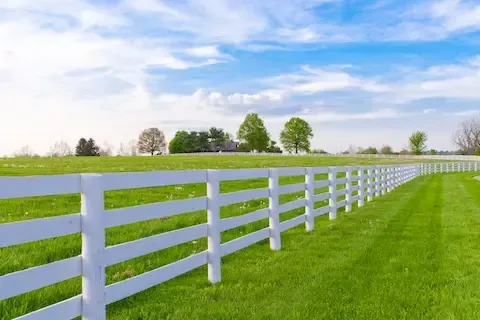
Summer Ranch Fence Maintenance in Taylor County TX
Summer in Taylor County is hard on everything that stays outside — and ranch fencing takes some of the worst of it. Between the cracked soil, relentless heat, and the constant pressure from livestock, a fence that looked solid in April can be in real trouble by August. Walking the perimeter is not optional for working cattle operations. It's how you catch small problems before they become expensive ones. If you manage pastures in the Abilene area, understanding what summer actually does to your fence system gives you a real advantage heading into fall.
What Summer Heat and Drought Do to Ranch Fencing
The West Texas summer brings two conditions that hit fence systems simultaneously: extreme heat and prolonged dry spells. Taylor County typically sees extended periods without meaningful rainfall from June through August, and that drought cycle is not just a problem for grass. The soil around your posts contracts as moisture leaves it. Posts that were set in winter when the ground held some moisture can begin to wobble or lean as the soil shrinks away from them. Clay-heavy soils — common throughout the Abilene area — are especially prone to this movement.
At the same time, steel wire expands under heat and contracts at night. Over weeks of thermal cycling, barbed wire and high-tensile wire lose their original tension. A fence that was taut in spring will develop noticeable sag by midsummer. That sag is more than cosmetic. A sagging strand at the bottom of a barbed wire fence invites cattle to step over or through it. Once an animal finds a weak point, the breach becomes a habit and a liability.
Post Heave and Soil Shift Checks
Walking the fence line with post stability in mind is the first priority. Grip each post — wood and steel alike — and test for movement. A post should not rock. If it does, the soil around the base has either dried out, washed away, or the post itself has rotted at grade. Corner posts and H-braces take the most strain and are the most important to check. If your brace assembly shifts even slightly, the tension on every wire it anchors becomes unreliable.
In Taylor County, caliche layers near the surface can complicate post setting. If posts were not driven deep enough to get below the caliche, summer soil movement is more likely to affect them. When you find a loose post during a summer walk, mark it and come back with the right equipment. Tamping dry soil around a post butt is a temporary fix at best. Some posts will need to be pulled and reset with new concrete or at greater depth.
Retensioning Wire After Summer Sag
Retensioning is straightforward work but requires patience and the right tools. For standard barbed wire, a wire stretcher and come-along are your basic tools. Working one strand at a time, release the splice or staple, pull tension back to the working specification, and refasten. Do not overtension. High-tensile wire under excess tension becomes brittle and snaps under impact — a problem if cattle or deer hit the fence at a run.
For high-tensile smooth wire systems, use an inline strainer or ratchet tensioner to make controlled adjustments. These systems are designed to be periodically adjusted, and summer is the right time to do it before the wire sets in a stretched position. Check every staple and clip while you're at it. A strand that is properly tensioned but poorly fastened to posts will still fail under pressure.
Vegetation and Pest Considerations Specific to the Abilene Area
Summer growth along fence lines creates a secondary maintenance problem in Taylor County. Mesquite, cedar, and Johnson grass are all aggressive in this region and will grow into wire over a single season. Vegetation pressing against barbed wire accelerates rust and adds weight that works against your tension. Clear a buffer zone along the fence line where possible, and pay special attention to low-lying spots where grass mats against the bottom wire after rain.
Termites are active in the summer months across West Texas. If you are running treated wood posts, inspect the grade line for soft spots. Press a pocket knife into the wood at ground level — if it sinks easily, the post has begun to rot from the inside. Cedar posts are more resistant but not immune. Steel T-posts and steel H-braces eliminate this problem in critical anchor locations, and many Taylor County operations are transitioning to hybrid systems for exactly that reason.
Gate Hardware and High-Traffic Areas
Summer maintenance should include a close look at every gate, especially those used daily for feeding and rotation. Gate hinges loosen under constant use, and a gate that drags will eventually pull the hinge post out of alignment. Tighten or replace hardware, and check that the latch still catches with enough force to hold against a fence-walking animal. Chains and pins used as gate closures wear faster in heat and should be inspected for cracking or fatigue.
High-traffic corners — where cattle gather at water troughs or mineral feeders — take disproportionate punishment. Fence panels in these areas may need to be re-strung or replaced more frequently than the rest of the perimeter. If you are planning any improvements this season, starting at your high-wear zones delivers the best return on the work.
When to Call a Professional Fence Contractor
Some summer fence work is well within reach for ranchers comfortable with basic tools. But when corner assemblies need to be rebuilt, when a long section of wire needs to be completely replaced, or when you're adding a new pasture division to manage rotational grazing, professional help pays for itself in labor hours and material quality. For a full review of what goes into a properly built ranch perimeter, the ranch fence primer covers construction fundamentals worth revisiting before you start any major repair work.
Taylor County ranches operate in a demanding environment, and the fencing that holds up long-term is fencing that gets consistent seasonal attention. If sections of your perimeter are past the point of simple repair, or if you are adding infrastructure before fall weaning, professional installation ensures the work meets the structural demands of working cattle country. Learn more about what a full build entails through Agricultural Fence Installation services designed specifically for operations in this region.
Summer maintenance is not glamorous work, but it's the kind of discipline that keeps cattle where they belong and keeps your operation running without costly emergency repairs. Walk the line before the heat peaks, address what you find, and go into fall with a fence you can count on.
