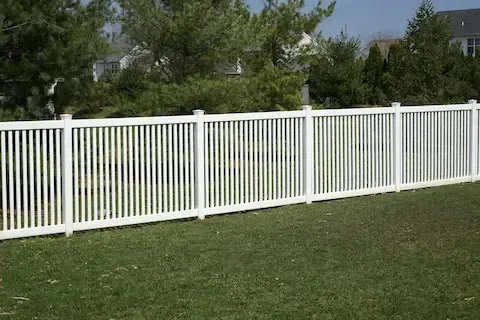
UV Resistant Vinyl Fences for Abilene Taylor County
West Texas sun presents unique challenges for vinyl fencing materials, with UV radiation levels that can degrade standard vinyl compounds within just a few seasons. The intense summer heat and year-round sun exposure in Abilene and Taylor County require specific vinyl formulations and installation techniques to ensure your fence investment maintains both structural integrity and aesthetic appeal for decades.
UV Stabilizer Technology in Modern Vinyl Fencing
Premium vinyl fencing manufacturers incorporate specialized UV stabilizer compounds directly into the vinyl resin during the extrusion process. These stabilizers work by absorbing harmful ultraviolet radiation before it can break down the polymer chains that give vinyl its strength and flexibility. The most effective stabilizers for West Texas conditions include titanium dioxide and specialized organic UV absorbers that create a protective barrier within the material itself.
The concentration of these stabilizers determines how well your fence will perform under Abilene's intense summer sun. High-grade residential vinyl fencing should contain at least 8-10 parts per million of UV stabilizers, while commercial-grade applications may require concentrations up to 15 ppm. This higher concentration translates to significantly longer service life and better color retention in Taylor County's challenging climate conditions.
Quality vinyl manufacturers also utilize co-extrusion technology, where a protective outer layer containing concentrated UV stabilizers surrounds a structural core. This design maximizes both protection and cost-effectiveness, ensuring that the most critical barrier against sun damage receives the highest concentration of protective compounds.
Panel Thickness and Heat Resistance Considerations
Standard residential vinyl fencing typically uses panels ranging from 0.055 to 0.080 inches in thickness, but Abilene's extreme temperature variations demand careful consideration of thermal expansion properties. Thicker panels generally provide better dimensional stability during the dramatic temperature swings common in Taylor County, where summer highs can exceed 100°F and winter lows may drop below freezing.
The relationship between panel thickness and UV resistance isn't simply linear. While thicker panels do provide more material for UV stabilizers, the key factor is the stabilizer concentration in the outer surface layer. A properly formulated 0.060-inch panel with high-grade UV protection will outperform a thicker panel with inferior stabilizer technology.
Hollow panel designs require special attention in West Texas installations. The internal air space can create thermal stress points where rapid heating and cooling cycles may cause warping or cracking. Solid core or foam-filled panels often perform better in extreme heat conditions, though they do carry higher material costs.
Professional Vinyl Fence Installation takes into account not just the panel specifications, but also the expansion joint spacing and hardware selection needed to accommodate thermal movement without stress cracking.
Color Selection for Maximum UV Protection
Color choice significantly impacts how well vinyl fencing withstands UV exposure in Taylor County's intense sunlight. White and light-colored vinyl reflects more solar radiation and remains cooler to the touch, reducing thermal stress and extending material life. However, the specific pigments used in colored vinyl can either enhance or compromise UV resistance.
Darker colors like brown, black, or deep gray absorb more heat and may reach surface temperatures 20-30 degrees higher than white vinyl on the same summer day in Abilene. This increased heat accelerates the aging process and may cause premature brittleness or color fading. When darker colors are preferred for aesthetic reasons, selecting vinyl with enhanced UV stabilizer packages becomes even more critical.
Certain color pigments themselves provide UV protection. Iron oxide pigments used in earth tones can actually improve weather resistance, while some organic colorants may break down under intense sun exposure. Quality vinyl manufacturers test their color formulations specifically for fade resistance and thermal stability.
Two-tone fencing designs allow homeowners to balance aesthetic preferences with practical performance. Using white or light colors for the main fence body while incorporating darker accent colors in smaller elements can provide an attractive appearance while maximizing overall durability.
Installation Factors Affecting UV Performance
Proper installation techniques play a crucial role in how well vinyl fencing performs under West Texas sun exposure. Post spacing becomes more critical in high-UV environments, as thermal expansion can create significant stress between panels. Standard 6-foot spacing may need to be reduced to 5 or 5.5 feet for optimal performance in Taylor County conditions.
Hardware selection must account for differential thermal expansion between vinyl panels and metal components. Stainless steel or specially coated fasteners resist corrosion and thermal cycling better than standard galvanized hardware. The fastening method itself affects how panels respond to temperature changes, with floating panel systems often outperforming rigidly attached installations.
Post installation depth and concrete specifications require adjustment for the extreme temperature variations common in Abilene. Deeper post settings and properly cured concrete footings provide the stability needed to handle the increased stress from thermal cycling without compromising the fence structure.
Drainage considerations become more important in UV-intense climates, as trapped moisture combined with heat can accelerate material degradation. Proper grading and drainage around fence installations help prevent moisture-related UV damage acceleration.
Maintenance Requirements for Extended UV Protection
Even the highest-grade UV-resistant vinyl requires periodic maintenance to maximize its service life in Taylor County's challenging environment. Regular cleaning removes dust, pollen, and other contaminants that can trap heat against the vinyl surface and accelerate UV damage. A simple soap and water wash every few months prevents buildup that could compromise the material's natural UV resistance.
Inspection schedules should account for the accelerated aging that occurs in high-UV environments. Annual checks for early signs of brittleness, color fading, or stress cracking allow for proactive repairs before problems become extensive. Small cracks or damaged sections can be addressed promptly to prevent UV exposure from penetrating deeper into the material.
Vegetation management around vinyl fencing serves dual purposes in UV protection. While some strategic shading can reduce direct sun exposure, allowing plants to grow too close may trap moisture and create conditions that accelerate material breakdown. Maintaining appropriate clearances ensures good air circulation while providing some natural UV protection.
Professional Assessment and Long-Term Value
The investment in high-quality UV-resistant vinyl fencing pays dividends over time through reduced replacement costs and maintained property value. Professional evaluation of your specific site conditions in Taylor County helps determine the optimal combination of material specifications, color choices, and installation techniques for maximum UV resistance.
Warranty considerations become particularly important for vinyl fencing in high-UV environments. Manufacturers typically offer different warranty terms for various climatic zones, and understanding these distinctions helps in making informed material selections. Some manufacturers provide specific Texas heat warranties that extend beyond their standard coverage.
Cost analysis should factor in the total lifetime value rather than just initial installation costs. Premium UV-resistant vinyl may carry a 15-20% higher upfront cost but can provide 50% longer service life compared to standard-grade materials in Abilene's intense sun conditions.
Consider exploring the vinyl fence overview for additional insights into fencing solutions suited for West Texas ranch properties and rural installations.
